
SABR Radiotherapy for Prostate Cancer in the UK
SABR Radiotherapy for Primary and Metastatic Prostate Cancer
If you are exploring SABR for prostate cancer, you may already have been through difficult conversations about surgery, radiotherapy, hormone therapy, chemotherapy, recurrence or spread. What matters now is understanding whether there is a focused treatment option that could help you.
SABR delivers highly targeted radiotherapy to cancer with millimetre accuracy. It can be used to treat primary prostate cancer within the gland, and in carefully assessed cases, prostate cancer metastases in areas such as lymph nodes, bone or other sites.
We review your scans, PSA history, biopsy results and current treatment in detail, then explain clearly whether SABR has a meaningful role in your care.
For Primary And Secondary Tumours
Outpatient Treatment
3 To 5 Treatment Sessions
What is PROSTATE Cancer?
A Clearer Picture Of Your Prostate Cancer Before Treatment Starts
Before you decide on treatment for prostate cancer, you need a clear understanding of what your diagnosis is showing.
Prostate cancer begins when cells in the prostate gland start to grow abnormally. Some prostate cancers remain slow-growing for years. Others are more active and need treatment because they are more likely to progress, return or spread.
This is why the right plan cannot be based on the words “prostate cancer” alone. It depends on the stage and grade of the cancer, your PSA level, scan findings, symptoms, previous treatment and whether every visible site of disease can be treated safely.
Common symptoms of prostate cancer:
- Needing to urinate more frequently
- Getting up several times at night to urinate
- Difficulty starting urination
- Weak flow or stopping and starting
- Urgency or leaking before reaching the toilet
- Blood in urine or semen
- Pain in the spine, hips, ribs or pelvis
- Unexplained fatigue or weight loss
The main types of prostate cancer
Acinar Adenocarcinoma
Ductal Adenocarcinoma
Metastatic Prostate Cancer
Cancers That Can Involve The Prostate
- Bladder or urethral cancer
- Rectal cancer
- Lung cancer
- Melanoma
- Pancreatic cancer
- Other gastrointestinal cancers
TARGETED TREATMENTS FOR PROSTATE CANCER
The right treatment for Prostate cancer Depends On Where The Disease Is
Stereotactic Radiotherapy (SABR)
A precise, high-dose radiotherapy treatment for prostate cancer in the gland itself, or for specific sites where prostate cancer has spread. It is planned carefully around the bladder, bowel and surrounding tissue, with primary prostate SABR commonly delivered in five sessions.
Surgery (Radical Prostatectomy)
An operation to remove the prostate gland, usually considered when prostate cancer is contained within the prostate or has not spread widely. It can be an effective treatment, but possible effects on urinary control and erectile function need careful discussion.
Hormone Therapy and Systemic Treatment
Treatments that work throughout the body by lowering testosterone or blocking its effect on prostate cancer cells. They are often used with radiotherapy for higher-risk primary disease, and are central to care when prostate cancer has spread.
Conventional Radiotherapy
Conventional external beam radiotherapy treats the prostate using radiation delivered from outside the body over a longer course than SABR. It may be recommended for primary, locally advanced or higher-risk prostate cancer, often alongside hormone therapy.
WHAT IS SABR TREATMENT FOR PROSTATE CANCER
SABR Radiotherapy Treats Prostate Cancer With High Precision In Fewer Sessions
SABR radiotherapy delivers a high dose of radiation to a precisely planned treatment area, aiming to control or eradicate cancer while protecting nearby healthy tissue.
It can treat prostate cancer in the gland itself, or specific sites where prostate cancer has spread, such as lymph nodes or bone metastases. Detailed imaging is used before and during treatment to guide each session as accurately as possible.
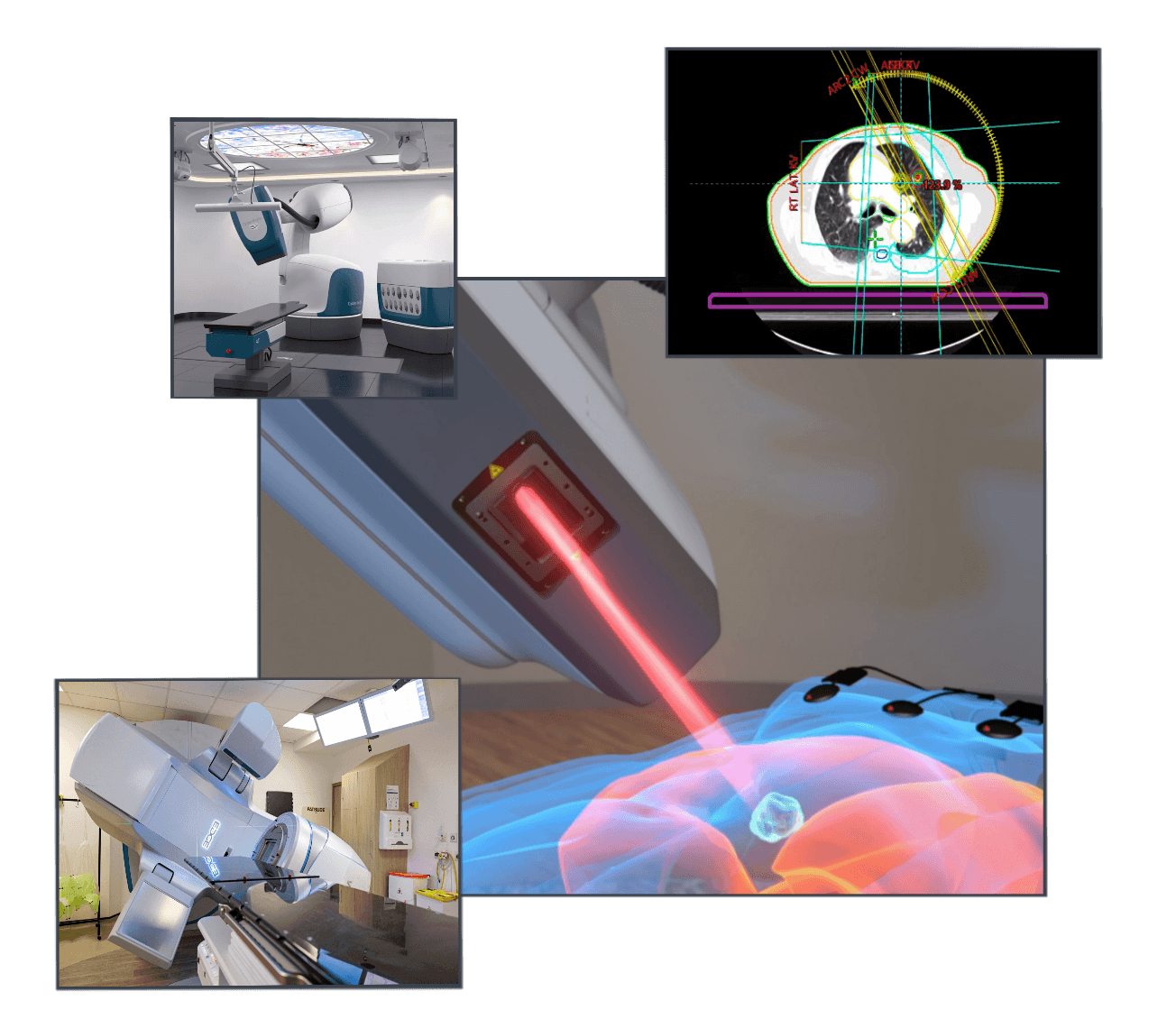
Treatment is delivered using one of three systems:
- CyberKnife: follows small movements and treats angled targets with robotic accuracy
- Linear Accelerator (Linac): delivers high-energy radiation shaped to the planned target
- MR-Linac: combines radiotherapy with MRI visibility during the treatment session
THE BENEFITS OF SABR FOR PROSTATE CANCER
SABR Radiotherapy Can Treat Prostate Cancer Precisely While Protecting Daily Life
Prostate cancer treatment is not only about controlling disease. It is also about protecting the parts of life that matter every day, including urinary function, bowel comfort, sexual function, independence and time with the people who need you.
SABR radiotherapy can treat prostate cancer in the gland itself, or specific sites where prostate cancer has spread, using a highly focused dose of radiation. For primary prostate cancer, treatment is commonly completed in five sessions. For metastatic prostate cancer, SABR may be used to target visible sites of disease, such as lymph nodes or bone metastases, as part of a wider treatment plan.
The aim is to treat every site that can be safely targeted, while minimising symptoms and reducing unnecessary exposure to nearby healthy tissue.
Whether SABR is right for you depends on your PSA, biopsy results, scan findings, urinary symptoms, previous treatment and where the cancer is active. We will review your case carefully and give you a clear answer.
- No Surgery Or Hospital Stay
- A Shorter Course Of Radiotherapy
- Planned Around Bladder And Bowel
- Treats Specific Sites Of Spread
- Can Fit Alongside Other Treatments
- Clear, Individual Assessment
IS SABR RIGHT FOR YOU
When SABR May Be An Option For Primary Or Metastatic Prostate Cancer
- You have primary prostate cancer and want to avoid surgery
- You have prostate cancer that has spread to a small number of sites
- You have been told surgery or standard radiotherapy is not suitable
- One or two areas are growing while treatment is controlling the rest
- You have a rising PSA after previous treatment
- You want treatment focused on cancer control and quality of life
Possible Side Effects of Prostate SABR
What most patients experience during SABR treatment for Prostate Cancer
Side effects from prostate SABR are usually linked to the area being treated and how your body responds in the weeks after radiotherapy. Some symptoms can appear during treatment or soon afterwards, while others, such as changes to erections or late urinary and bowel effects, can develop more gradually over time.
Here is what should be discussed before treatment begins:
Urinary Side Effects
- Passing urine more often
- Stinging or discomfort when passing urine
- A weaker flow or difficulty emptying the bladder
Bowel, Fatigue And Sexual Function
- Looser or more frequent bowel movements
- Changes to erections, often developing gradually
- Rectal bleeding, which should always be reported
- AXA
- BUPA
- WPA
- Aviva
- Vitality
- Cigna
- Clear Pricing
- Time To Decide
- Klarna Accepted
- Treatment Planning
- Video Consultation
- Scan Review
Private Treatment Access and Payment Options
We Will Help You Understand Your Options Before You Decide
When you are facing prostate cancer treatment, the first priority is knowing whether SABR is right for your diagnosis and what it could realistically achieve.
Once that is clear, we will talk you through the practical side of accessing care. Whether you are insured, self-funding, or travelling for specialist treatment, you will understand the options available before making any decision.
Everything is explained personally after your consultation, including next steps, timing and costs, so you can move forward with clarity rather than added pressure.
Your Path To Treatment
What Happens From First Review To Follow-Up Care
Can I ask for a review without changing my current oncology team?
Can I have a consultation before all my results are back?
What happens if SABR is not the right option?
Can I involve my family in the consultation?
Will my PSA be reviewed as part of the decision?
Frequently Asked Questions
We Know You Have Questions. Here Are The Honest Answers.
When you are facing cancer treatment, every question matters. The answers below cover what patients most often ask us, but they are only a starting point.
If you are unsure about anything, our team will take the time to understand your situation, explain things clearly and help you feel more informed about your options.
Speak to the Team
Connect With Our Clinical Team
Whether you have a specific question or simply want to understand your options, our team will provide clear guidance and an honest assessment of what treatment could look like for you.
You can reach us by filling in the contact form or calling us directly.